Garden Installation
Executing professional planting layouts and garden preparation for outdoor properties.
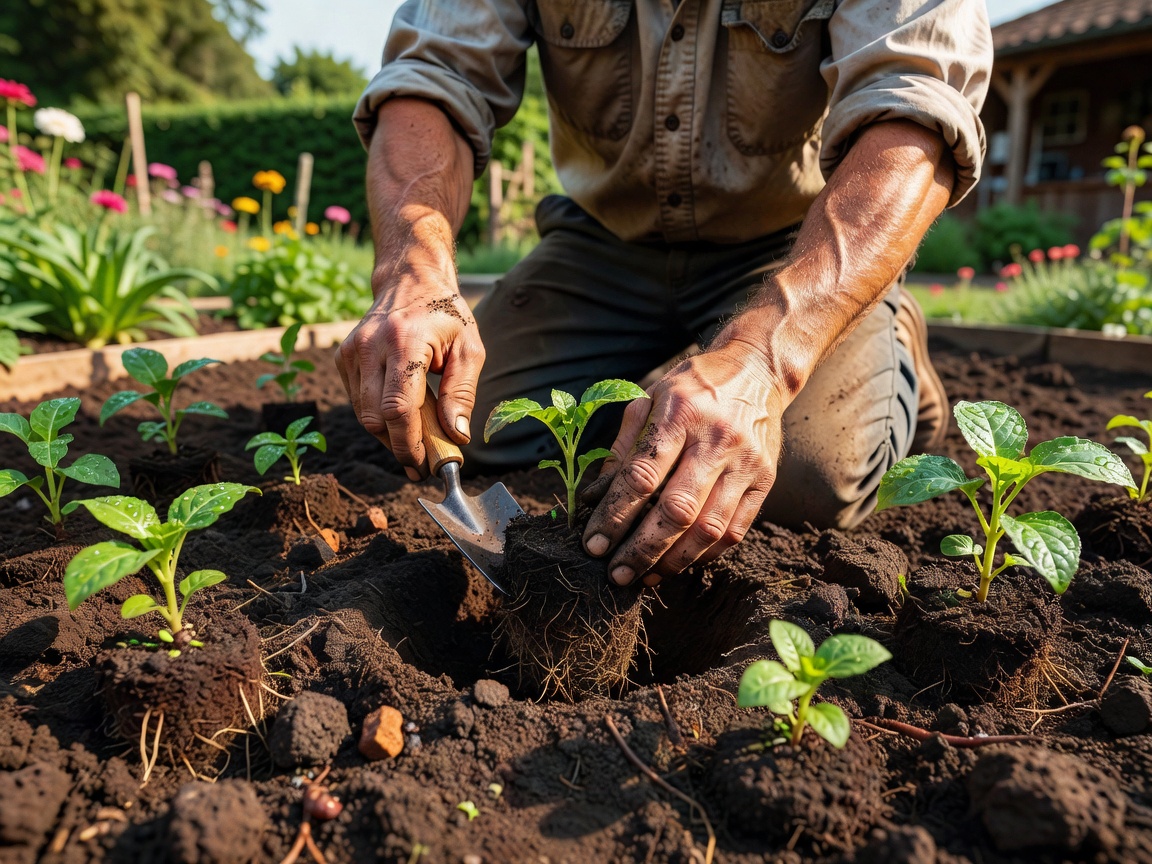
Garden installation is the physical process of translating a landscape plan into reality. It is a labor-intensive service that requires an understanding of horticulture and proper ground handling techniques. In Ontario, successful garden installation depends heavily on selecting the right materials and executing the work during appropriate seasonal windows to ensure that new plants can establish root systems effectively before extreme weather arrives.
What the Service Involves
This service encompasses the complete execution of planting layouts. It begins with comprehensive ground preparation, which may involve clearing existing vegetation, turning soil, and adding necessary amendments to improve soil structure. Installers then meticulously define borders to create clean lines between garden beds and lawns or pathways. Finally, the chosen plant selection—ranging from perennials and annuals to shrubs—is installed according to the specific spacing and depth requirements for each species.
Suitable Applications
Garden installation is suitable for establishing brand new garden beds around newly constructed homes or commercial buildings. It is also utilized for complete refurbishments of older, overgrown gardens that require a fresh start. Whether the goal is to create a welcoming foundation planting at a property entrance or to establish a dense, layered border along a backyard fence line, professional installation ensures the physical work is handled correctly.
Planning Considerations
Proper plant selection is the most critical planning consideration. Plants must be chosen not just for their appearance, but for their hardiness in the Ontario climate, their mature size, and their sunlight requirements. Seasonal considerations dictate the timing of the installation; typically, spring and early autumn provide the most favorable conditions for new plants to avoid heat stress while establishing themselves.
Preparation
Physical garden preparation requires significant effort. The target area must be cleared of weeds and debris. Soil compaction, common in newer developments, must be addressed through aeration or tilling. Depending on the existing soil quality, bringing in topsoil or organic compost is often required to provide a suitable growing medium for the incoming plant selections.
Maintenance Considerations
Newly installed gardens demand higher attention during their first year. Consistent watering is crucial as plants establish their roots. Ongoing maintenance considerations include regular weeding to prevent competition for nutrients, applying mulch to retain moisture, and monitoring for any signs of environmental stress as the garden transitions through its first few seasons.
Important Limitations
Garden installation success is highly dependent on post-installation care. While the installation process sets the foundation, the survival of the plants requires the property owner to adhere to watering schedules. Additionally, installations are subject to weather delays, as heavy rain can make ground preparation impossible, and extreme heat can make planting unadvisable.
FAQ
Suitable plants are those that match the specific sunlight levels, soil conditions, and climate zone of the property, prioritizing species that can tolerate Ontario's varied seasonal changes.
Improving an existing garden often involves clearing out dead or overgrown material, improving the soil quality through ground preparation, and executing new planting layouts to refresh the space.
Yes, thorough ground preparation is a fundamental part of the installation process to ensure plants have a healthy environment to grow.
Related Services
Consider pairing this with Tree & Shrub Planting for larger structural additions, or Irrigation Planning to help manage the watering requirements of the new installation.